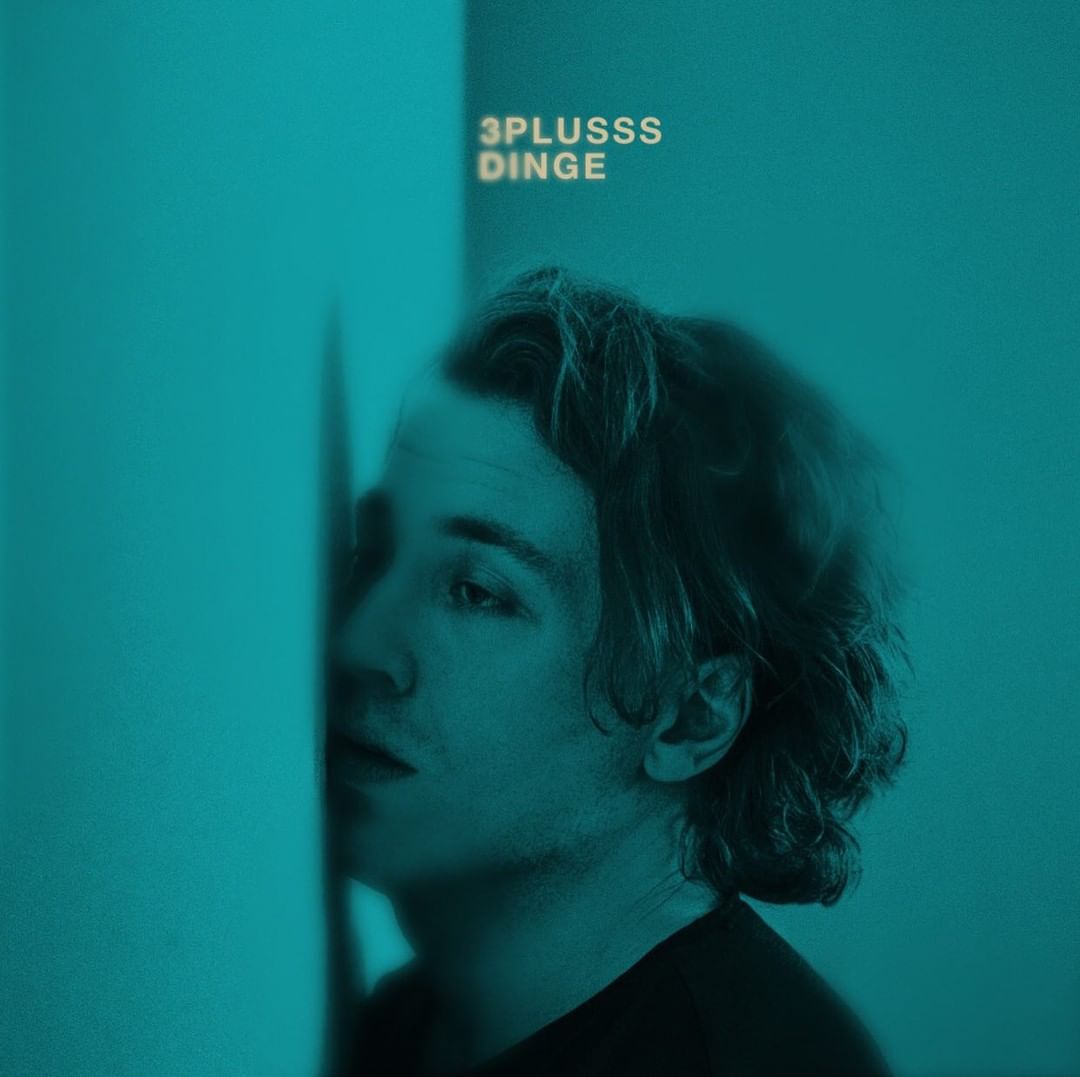
Wenn mich Leute fragen, ob ich Deutschrap höre, ist mein Blick meist ein skeptischer, weil 70% von dem, was als Deutschrap bezeichnet wird, mag ich nicht. Aber ab und zu reißen mich Songs oder Künstler*innen dann doch in ihre Bubble. So wie die letzten Releases des Essener Rappers 3Plusss: nach den ersten beiden Single-Auskopplungen seines neuen Albums hat es bei der letzten Single „DINGE“ so richtig gefunkt. Hier lest ihr, warum ihr 3Plusss generell auf dem Schirm haben solltet:
„Es ist wieder diese Saison.“
3Plusss macht Musik, die klingt, als hätten sich die Welten von Fatoni, Ahzumjot und Maeckes getroffen, ein perfektes Musikbaby geschaffen und Goldroger ist der Patenonkel. Dabei ist 3Plusss gar nicht unbedingt ein Newcomer im Deutschrap. Ganz im Gegenteil, er ist noch aus der Generation Deutschrappern von vor 10 Jahren, die ihren Status auf Splash! Battleraps beweisen mussten. Und auch wenn er sich schon bekanntliche Bühne und Fans erspielt hat, eine „richtigen Durchbruch“ hatte 3Plusss noch nicht. Der könnte aber mit seinem Anfang April erscheinenden Albums weine jetzt, lache später durchaus kommen.
PHASE II, die erste Single des neuen Albums, kam im November 2021 raus und ist ein absolutes Brett. Lyrisch zerlegt 3Plusss sowohl Prinz Pi, den „bürgerlichen Trottel“, als auch Deutsche Wohnen und den Staat für seinen immer noch tief verwurzelten Rassismus. Was alles möglich ist im Rap ohne eine frauenfeindliche Line – Captial Bra würde es nicht verstehen selbst wenn man es ihm ganz ruhig erklären würde.
Die zweite Single DANKE braucht eigentlich einen ganz eigenen Artikel, so sehr holt mich dieser TEXT auch hier ab:
„Schlaf‘ ein und fliege davon Wach auf und bin wiedergekommen Und werd‘ wütend darüber und müde davon Oh mein Gott, es ist wieder diese Saison“
Poetischer hat noch nie jemand meine depressiven Verstimmungen beschrieben. Mental Health in Deutschrap holt einfach ab. Cleveres depressives Wortspiel holt ab: „Wenn mich jetzt wеr in den Pool schubst, dann ertrink‘ ich einfach“ ist doch mal eine Wandtapete wert? Und „Wer braucht schon Urlaub, wenn man dissoziier’n kann?“ geht auch glatt als Insta-Caption durch (orginial s/o geht hier aber an Illona Hartmann).
*hands you the world* „it’s broken.”
Wie 3Plusss es schafft, alles, womit ich am Leben am meisten hadere, in so kompakt und sich reimende (!) Sätze zu packen, weiß ich nicht. Ich kann nur vermuten, dass es eine gute Mischung aus Talent und viel overthinking ist.
„Alles passiert gleichzeitig, die ganze Zeit Und das Hirn ist viel zu klein, damit das irgendwer begreift.“
Ich könnte es besser nicht ausdrücken. Das Hirn ist einfach viel zu klein. Vielleicht nicht faktisch (don’t #science me), aber die mentale Kapazität, die ich besitze, reicht kaum für meinen eigenen Alltag. Und dann soll ich verarbeiten, wie viel nebenbei noch passiert? Puh. Da ist mein Umfeld, die Gesellschaft, das Klima, der Krieg in anderen Ländern, und so, so, so viel Unrecht auf der Welt. Da ist ein Leistungssystem, das Leute auf einen mal mehr, mal weniger langen Weg in die Depression treibt sobald man die Schule beginnt. Sexismus, Rassismus und so viele Menschen, die fremden Sachverhalten im Leben grundsätzlich mit Hass begegnen. Da ist wirklich so viel Kaputtes in der Welt, alleine das Aufzählen der paar Dinge hat mich schon erschlagen. In dieser Welt am Funktionieren zu bleiben, ist schwerer als man denkt.
„Das sind nur Dinge, die wir tun Das bist nicht du, das bin nicht ich Manche nenn’n es Depression, zig Definition’n Und Symptome und Begriffe für die Dinge, die wir tun Das sind nur Dinge, die wir tun Nichts davon definiert dich als Person Gib dir selber die Vergebung, die du suchst“
Sie sehen gerade einen Platzhalterinhalt von YouTube. Um auf den eigentlichen Inhalt zuzugreifen, klicken Sie auf die Schaltfläche unten. Bitte beachten Sie, dass dabei Daten an Drittanbieter weitergegeben werden.
Ich weiß gar nicht, was ich hier noch schreiben soll, 3Plusss hat hier alles schon gesagt und wenn man das wirklich kurz auf sich wirken lässt, hab ich vielleicht noch nichts schöneres gehört im Deutschrap als das. S/o an Peet, der für den Beat verantwortlich ist, das ist wirklich alles sehr perfekt.
3Plusss gibt mir endlich das, was ich im Deutschrap irgendwie in letzter Zeit sehr vermisst hab. Am 08.04.2022 erscheint sein neues Album weine jetzt, lache später. Wenn ich’s fühle lesen wir uns bestimmt bald wieder. Und bis dahin könnt ihr hier in alle drei erwähnten Songs reinhören:
Sie sehen gerade einen Platzhalterinhalt von Spotify. Um auf den eigentlichen Inhalt zuzugreifen, klicken Sie auf den Button unten. Bitte beachten Sie, dass dabei Daten an Drittanbieter weitergegeben werden.
„Es ist wieder Februar“ – die 28 bis 29 Tage im Jahr, die eigentlich niemand so richtig braucht, zählen runter as we speak. Die depressiven Verstimmungen dürfen nochmal ne extra Runde drehen und wir uns von Tag zu Tag in den März kämpfen, in dem hoffentlich der Frühling anbricht und alles wieder ein bisschen besser wird. Und für all jene, die sich bis dahin wie ich gerne noch ein bisschen in den eigenen schön-traurigen Playlisten suhlen wollen, kommt hier die nächste Single-Empfehlung: LIAS und „Lost“:
Hand heben, wer’s fühlt
Der Einleitung entnehmend kann es hier nur um einen traurigen Song gehen: Lost handelt von dem Gefühl, komplett in den eigenen Emotionen gefangen zu sein. Erdrückt von der Trauer, die einen manchmal aus dem Nichts überfällt und manchmal auch einfach dauerhaft da ist:
“Oh, I wish I could fake it
Put a smile back on my face
Somehow find a back
To the good old golden days.
Just couldn’t longer carry
Sadness torturing my soul
Weight pulling me down so weary
Wondering how I lost control.“
Sie sehen gerade einen Platzhalterinhalt von Spotify. Um auf den eigentlichen Inhalt zuzugreifen, klicken Sie auf den Button unten. Bitte beachten Sie, dass dabei Daten an Drittanbieter weitergegeben werden.
Warum ich mir so sicher bin, dass euch Lost genauso abholen wird wie mich, hat verschiedene Gründe. Der Song ist sehr viel tiefer als er in der ersten Minute zu sein scheint. Je länger er andauert, desto mehr Ebenen eröffnen sich – und je genauer man hinhört, desto mehr Details fallen einem auf: Die im Hintergrund anschwellende Violinen. Die subtile Synth-Line, die dem ganzen einen leichten James Blake Touch gibt. Es switcht von „aw, ein weiterer Singer-Songwriter“ zu „oh krass, das könnte im Radio laufen“ als wäre es nichts.
Dazu trägt aber auch voranig LIAS Stimme bei, die je nach Songabschnitt nach James Arthur oder John Legend klingt. Außerdem bin ich mir ziemlich sicher, dass der ganze Song seinen Anker in Unfaithful von Rihanna hat und das ist einfach wirklich auch wunderschön. („Kudos“, hätte man früher im Internet gesagt). Ich glaub, ich hab selten so viele internationale Referenzen zugezogen, aber ich stehe zu jeder einzelnen. Und ich setze noch einen drauf: Lost könnte die Key-Szene in einem Matthias Schweighöfer-Film begleiten. Wenn die Hauptperson (also Matthi) im orange-roten Sonnenuntergang auf ein weites Feld rennt, nicht so richtig wissend wohin mit all den überwältigenden Emotionen – Lost ist der Song dazu.
Falls ihr euch jetzt, zu Recht, fragt wer ist LIAS?, dann checkt ihn mal direkt hier aus. Der deutsche Singer Songwriter mit niederländischen Wurzeln verarbeitet in seinen Liedern tiefen Trennungsschmerz, Versagungsängste, mentale Gesundheit und die emotionale Findungsreise zu sich selbst. Die EP wird diesen Sommer kommen, Hand heben, wer’s jetzt schon fühlt.
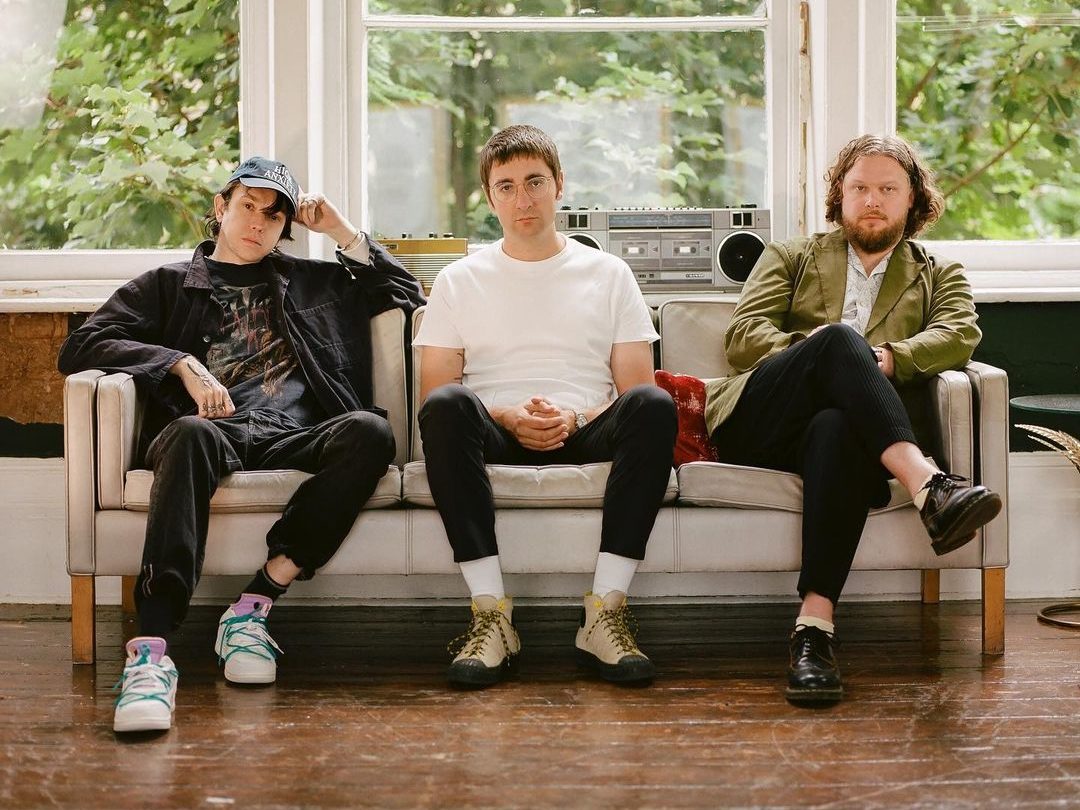
Alt-J sind zurück. Jeder sich halb ernstnehmende Indie-Fan wird ganz schwach in den Knien wenn Indieclubs Breezeblocks spiel(t)en oder man in alten Playlisten über Songs wie Nara stolpert. Und jetzt sind sie endlich, endlich wieder mit neuer Musik zurück. Am 11. Februar kommt ihr viertes Album „The Dream“ raus und aus sehr glücklichen Gründen durfte ich schon vor ein paar Monaten reinhören. Und puh, da kommt was auf euch zu.
Welterfolgreich aber trotzdem nie ganz Mainstream – die vier Engländer aus der Uni, die mit ihrem Debütalbum An Awesome Wave schon kleine Musikgeschichte geschrieben haben, sind sich selbst treugeblieben und haben es trotzdem geschafft, sich auf unerwartete Weise zu übertreffen. Rolling Stone hat das neue Album schon ein „masterpiece“ getauft und auch ich bin verliebt wie vor zehn Jahren – ja, vielleicht sogar ein bisschen mehr.
Ich durfte aber nicht nur das neue Album auf Repeat hören bis es endlich rauskommt, sondern auch mit Thom, dem Drummer der Band sprechen. Ein Interview mit Alt-J… Ich versuch das gerade irgendwie der 17-jährigen Anna zu erklären, die den ganzen Tag mit einem „This is from Matildaa“ – Ohrwurm rumrannte, und es ist schon ein bisschen absurd. Ich möchte keine Wandtapete zitieren, aber Träume werden manchmal halt doch wahr.
Ironischerweise war es aber nicht nur das coolste Interview, das ich je führen durfte, sondern auch das peinlichste. Mein Laptop hat mitten im Interview keinen Akku mehr gehabt und ganze zweieinhalb Minuten kann man auf der Interviewaufnahme nur fluchenden Geräusche hören, als ich über meine eigene Füße stolpernd das Ladekabel geholt und angesteckt hab. Ja, genau das ist passiert. Ich habe das einzige Alt-J Interview, was ich wahrscheinlich je führen durfte, abgebrochen, weil ich zu dumm war, meinen Laptop zu laden. Ihr wisst bestimmt auch, wie gut Stecker in die Dose gehen wenn man nervös ist… An dieser Stelle ein großes Danke an die liebe Label-Lady und an Thom, die geduldig gewartet haben. Das im Hinterkopf wissend (ihr könnt es meinetwegen auch direkt wieder vergessen), ist es trotzdem eins der interessantesten Interviews, die ich je geführt hab. Lest selbst für ein paar tiefe Einblicke in die faszinierende Soundwelt von Alt-J:
Thom von Alt-J im Interview
Anna: Hey Thom, so cool that this still worked out, even tho it’s on Zoom now. How are you?
Thom: I’m feeling good, thank you. I’m at home. I like being at home, it’s kind of cold and rainy outside, but I don’t mind. How are you?
Anna: I’m good, too. It’s actually sunny here today, so that’s nice.It’s been a while since you’ve been doing promo for an Alt-J album. I bet releasing a record now has to be so much different than the last times. How did it feel when you all got together again and decided “we’re gonna record a new album”?
Thom: Yeah, it was nice. We managed to wait until we felt like we were ready. Took some time off and we needed that. We ended up taking a year and then towards the end of that year, we started talking about music again and decided, well, January 2020 is probably a good time to get back together. And because we’d had that time at home, we were able to like, nurture ourselves and feel grounded. Going into it just felt really easy. I was a little bit nervous though, to be honest. It was a little bit like going back to school. You know, I’ve gotten used to just my routine at home. But once I realized that both Joe and Gus felt the same way, it was fine.
“We’re always just as open minded as possible.”
Anna: What was the process behind recording the album?
Thom: We usually, kind of take it easy to begin with and we play each other ideas. It’s really organic. I might hear what Joe has been writing on the guitar and respond on the drums, or pull up my laptop, start improvising something electronically. You kinda start to record basic things into the laptop and then you can see it take shape in the software we use, called Ableton. You can start to see it and formulate a structure. It’s like a drawing board. You can structure stuff quite easily. And then you build it and build it. Take it home and listen to it along. That’s a really nice thing to do because you get to process it at home and there’s no rush to it. It’s a system that we developed.
Anna: Was there a way you wanted to sound like on the new album?
Thom: We don’t really think in terms of like a genre or anything. We try not to. But we definitely have references. I listen to a lot music. For example, the opening track of the album Bane. The beginning reminded me of a Black Sabbath song I think it’s called „Planet Caravan“. It sounded similar, and I thought well, we can emphasize that. We like to do that sometime. We’ve got a lot of references because we all listen to different kinds of things. I think we’re always just as open minded as possible. And we never tried to be like, „well, that’s not very Alt-J, so we can’t do that“. That’s the last thing we want to do, we never want to be restricting ourselves like that.
“We would know if we made something that was terrible.”
Anna: That must be a challenging process when the whole world of music is watching. Do you ever feel the pressure or are you good in letting it not affect you?
Thom: You know, there is pressure, to be honest. It doesn’t necessarily come from anywhere in particular. We’re fortunate, like the record label that we work with know that, so they kind of leave us to it – and then they get the best out of us. But in terms of like the music scene and our kind of position on the back of the success that we’ve had in the past – I definitely want to continue that. And I obviously don’t want to get bad reviews or anything like that. But at the end of the day, it really doesn’t matter? If we are happy with it, then the chances are other people will be, too. Because we’re music critics ourselves, I think for us, we would know if we made something that was terrible. I’d like to think so, anyway.
Right now, I’m not really thinking about it too much. I will be more aware of it when the album comes out. But I don’t read reviews either. I sometimes read interviews that we’ve done. But reading reviews is the worst thing you can do. Because either it’s amazing and then you’re like, „Oh, we’re incredible.“. And then you’re just like, „Well, let’s just keep doing that then„. Or it’s terrible. And it really hurts. You know, there are bad, bad reviews and it’s like, wow. They don’t know me. Why would they say that? It’s rare, but it has happened in the past where I was like, have I met this person, have I done something to them? So I just don’t pay attention to any of it. It’s like social media. You spend all day on Twitter, then you’re going to be an angry person.
Sie sehen gerade einen Platzhalterinhalt von YouTube. Um auf den eigentlichen Inhalt zuzugreifen, klicken Sie auf die Schaltfläche unten. Bitte beachten Sie, dass dabei Daten an Drittanbieter weitergegeben werden.
Anna: I’m glad that you found a way to not let it affect you that much. If you had to pick one favourite song from the new album, from the top of your head, which one would it be?
Thom: I think it would be „Walk A Mile„. Yeah.
Anna: Why?
Thom: The way that I see it in my head, it’s very clear. And it makes a lot of sense, visually. When I picture it, it’s very coherent to me. Our parts are very well balanced in terms of like what we contribute. Works just wholly for me.
I’m very proud of what I did. Very proud of what Joe and Gus both did. I really like the production that we did. Sonically, for me, it’s very soothing to listen to. And it’s a journey, as well. Whenever I listen to it, I can’t do anything else. I have to give all of my attention to it. I think it kind of represents a certain change in us, which is maybe a more of a mature kind of sound, which wasn’t intentional, but I think it’s inevitable with just getting older and having the time that we’ve had, being more grounded in our home lives and things like that. Yeah. I’m very proud of it. I really hope that people get it on the album because, you know, it’s not a single, so..
Anna: Well, I really like it.
Thom: Oh, thanks (laughs). I’m glad.
Anna: Different question: If you had to pick one underrated song of the past albums, which one would that be?
Thom: Oh, that’s a good question. Well, I like „Nara Reprise“ (Anmerk. der Red.: I’m assuming he means „Leaving Nara“). There’s something about it. At the time, I liked it and enjoyed it. But I think maybe enough time has passed that I have a different perspective on it now. And when I’m listening to it, I’m not picturing the three of us. It’s more of a subjective view of it now. There are a few tracks like that where I’m like, “wow, I can’t believe that we made that”. And I don’t remember it either. It happens quite a lot where I come across tracks of ours and I’m like, „how did that happen?“ Must be weird for like older bands, they’ve been going for like 40 years, and they listened to like the early stuff and got no memory of writing these huge tracks.
Sie sehen gerade einen Platzhalterinhalt von YouTube. Um auf den eigentlichen Inhalt zuzugreifen, klicken Sie auf die Schaltfläche unten. Bitte beachten Sie, dass dabei Daten an Drittanbieter weitergegeben werden.
Anna: We just talked about past songs, in many of these songs you can find pop culture quotes, such as in Matilda, Fitzpleasure, Taro with role models from film and literature. What references can we expect on The Dream?
Thom: So, the track „Bane“ is about Coca-Cola. Just straight up, just about Coca-Cola (laughs). Just how addictive and delicious it is. It’s a story about somebody that we know who was having a sugar craving in the middle of the night. They were in a hotel room and just slept-walked to get a coke. It’s quite a funny story.
There are some references to true crime. Um, Joe’s a big fan of true crime podcasts. I really like true crime documentaries like lot of stuff on YouTube. In terms of like pop culture, I’m not entirely sure. Because I don’t write lyrics it’s hard for me to know exactly. Let me think –
*ahja hier kommt der peinliche Laptop-hat-kein-Akku-mehr-Moment*
Anna: Shit. Fuck fuck. Oh, my God.
*Ich kann immer noch nicht glauben, dass mir das passiert ist.*
nice label lady: Here she is.
Anna: I’m so sorry! My laptop didn’t tell me that it was about to die. I’m so sorry, but thank you for staying.
“What the first album was written with was just this very minimal set up.”
Anna: So, coming to a question a team colleague of mine had to you as a drummer: Why are you not using any cymbals (=Becken)? Is there a deeper ideology behind it, is it more a trademark now, what’s the story?
Thom: When we got together, we were at university and we didn’t have any room. We practiced together in a bedroom and I had room for a kick drum and the snare drum, but that was it. So I couldn’t use anything else. I had like a percussion shaker and I would use like the rim of the snare drum.
What the first album was written with was just this very minimal set up. And then I kind of stuck like that. As time went on I got more room and whatever, and we started exploring more sounds and things, but I didn’t use it. I just didn’t bother. But I also quite like the fact that it gives you more discipline. Like you’re forced to do other things, which I think is a good thing to do with any kind of creative pursuit. If you create a set of restrictions, you’re forced to go down a path that you would might not choose. Traditionally, drummers use the hi-hat and the ride cymbal and then you’re probably going to sound like everyone else.
I actually do use cymbals in terms of like samples. So a lot of drums that I write like, I program them using samples, like 808 samples and things like that, and I use cymbals then. Just not live. I’m not opposed to cymbals, it’s just for us, well cymbals are so fucking loud. You know, like in a practice room, if the drummer is just bashing the cymbals, you can’t hear anything else. „Cymbals eat guitars“, like that bandname? It’s true. Just complete wash out everything else.
“I just love to create sounds and manipulate them.”
Anna: Besides being a drummer, you are also a producer of electronic music. You already mentioned it a bit, but what role does your approach to electronic music play in the sound of the band? What are your influences?
Thom: When we’re writing, I have my laptop and I use plugins and a couple of synthesizers that I like, just like small portable ones. I just love to create sounds and to manipulate them. All of the stuff that I make at home right now, for example, they’re not tracks, they’re just like these sounds. And they develop.
So that’s kind of what I do with the band. I often feel quite intuitive in terms of what might be needed texturally. Let’s say, Joe’s guitar that was recorded and we’ve got a drum track, maybe Gus‘ vocal, and I feel like you need something that’s got a bit more like middle range to it. And then you think about a track visually. Well, what could you add? I go through my sounds and plugins, and just try to find something that suits. It’s just problem solving which is something that I love doing.
One of my biggest influences production wise was Clams Casino. He’s an American producer who produces for a lot of hip hop artists and puts out his own stuff. It’s these quite minimal sounding beats, which really inspired me to create beats. People like Aphex Twin. Just in terms of their output and ethos and how prolific they are. The fact that you can tell that they’ve made these sounds because they like them and they’re not trying to be anything other than themselves. Anybody like that I really love.
The album Thom from Alt-J would bring to an lonely island
Anna: That brings me to my last question: What would be the one album you would bring to a lonely island with you? Mine is „An Awesome Wave„.
Thom: Oh, wow. Really?
Anna: Yeah. It’s just a really wholesome album. This is why I was thinking I could pitch that question back to you.
Thom: It’s a good question. I think it would be my favourite album of all time, it’s called „Let England Shake„ by PJ Harvey, came out, I think, 2011. For me, it’s the perfect album, every single track is just so, so good. The very top tier kind of songwriting production, so refined. There’s nothing on it I don’t like. It’s very emotional, as well, like the subject matter is very loaded and the way that she sings, she’s really giving everything. And I listen to it all the time. It’s funny because I don’t think I ever had a favourite album. I always kind of struggled to, you know, I could say „In Rainbows“ by Radiohead is one of my favourite albums. Or Linkin Park, like “Hybrid Theory” is like one of my favourite albums. But I think „Let England Shake“ I would put that at the very top.
Anna: Well, I definitely have to check it out then. Sounds like a great album.
Thom: I’d recommend it, especially with this kind of weather. I often listen to it at home if I’ve got nothing to do. I’ll get into bed and I will listen to it in private (laughs). And just lay there and just kind of – (zones off)
Anna: That’s how you do it. Well, thank you for sharing your stories.
In einer Woche ist hier das Album verlinkt, bis dahin hört nochmal die aktuelle Single „Hard Drive Gold„:
Sie sehen gerade einen Platzhalterinhalt von Spotify. Um auf den eigentlichen Inhalt zuzugreifen, klicken Sie auf den Button unten. Bitte beachten Sie, dass dabei Daten an Drittanbieter weitergegeben werden.
*on an unrelated note, Thom’s Stimme klingt ein bisschen wie die von Benedict Cumberbatch und i may or may have not developed a crush on the audio note from this interview
Anfang Dezember durfte ich ein Interview mit dem syrischen Singer-Songwriter Yousef Kekhia führen und jetzt, knapp zwei Monate später nachdem ich es endlich geschafft habe, die Worte zu Papier zu bringen, bin ich immer noch berührt über die liebe Offenheit und ruhige Aufrichtigkeit, mit der wir über seine Musik gesprochen haben.
Damit ihr es musikalisch einordnen könnt: Yousef Kekhia singt arabische Texte auf zeitgenössischen Folk-Melodien mit elektronischen Elementen. Er schafft so intime Soundatmosphären, die mich öfter an RY X denken lassen – und das ist nicht mal ein hochgegriffener Vergleich. 2019 erschien sein Debütalbum Monologue, auf dem er seine Flucht aus Aleppo verarbeitete und auch persönlichen Themen wie Hoffnung, Depression, Enttäuschung und Liebe einen Platz bot. Nach diesem Selbstgespräch (Monolog) folgt nun sein zweites Album Polylog, welches die Perspektive weg von ihm und auf die Menschen um ihn rum lenkt. Es geht um verschiedene bewegende Begegnungen, die alle ihren Weg auf das Album geschafft haben – darunter sind auch viele Begegnunge von Frauen, die das Thema Feminismus und das Aufwachsen in unserer nun doch sehr patriachal-strukturierten Gesellschaft immer wieder aufgreifen. Aber lest selbst:
Yousef Khekira im Interview
Anna: Hey Yousef, to dive right in: Would you like to introduce yourself and your music to everyone who doesn’t know you yet?
Yousef: So, I’m Yousef. I’m originally from Syria and now in Berlin for a couple of years. And to describe my music: My mother’s tongue language is Arabic, and I sing in Arabic, but in a very informal way. So very simple songwriting mixed with different styles of music. I was inspired by a lot of folk music back then and also electronic music. So, I don’t like to put it in one genre or one word. Instead, I like to keep it open and for me to be always motivated to do this combination of so many different stories, experiences and cultures. This is just what I try.
Anna:Your first song „Hal ard Lamin?“ („Who owns the earth?„) was the door opener into your world of music. What is the song about?
Yousef: It’s the first song I’ve ever released, so it holds a special place in my heart. It’s the song where it’s, to me, very clear why I love it. Or why I was interested in releasing it publicly because before, I always did music as a hobby. And it’s in these times where politics pushed me really to try to bring a message to the world, something that I think would make it a better place. This song talks about borders, criticizing the idea of borders and how we look at them. Back then when I wrote the song, I was still in Turkey. It was when these refugee stories were all around the media and people were risking the lives coming to Europe and so on. So, it moved me a lot, yeah. It’s very political to me.
Sie sehen gerade einen Platzhalterinhalt von YouTube. Um auf den eigentlichen Inhalt zuzugreifen, klicken Sie auf die Schaltfläche unten. Bitte beachten Sie, dass dabei Daten an Drittanbieter weitergegeben werden.
“Making music became something healing and blossoming.”
Anna: I can hardly imagine what painful experiences have shaped the songs of your first album „Monologue“ – but despite the Arabic language that I don’t understand, I can somehow feel the emotions you’re trying to portray with your songs. Does making music help you to process all that you have experienced before and since you left Syria?
Yousef: It definitely helps, yes. At the beginning, it was kind of a way to deal with all these things that I lived through. And then, interestingly, it became about healing and kind of blossoming, you know. The music that I make or the art that I use to express myself to kind of heal and build a home for myself. It grew into something even better in my life. Something that would make me grow as a person and feel really excited and happy about life. I studied architecture, for example, and I always thought, „OK, I’m going to be an architect because I really like it and I’m going to be happy“. And it’s not even comparable to how I feel with music. Because it’s something that makes me feel alive and motivated. I’m really grateful to be able to do my thing.
Anna: How did you find your love to music? What artists and moments have shaped you musically?
Yousef: As far as I remembered, since being a kid, we listened to a lot of traditional music. And honestly, like nowadays, this music doesn’t exist anymore, unfortunately. But it’s like very musically rich, it’s for sure also commercial, it’s very popular, but the music is so rich, incredibly complicated and beautiful in a very simple way. So, we had this, but at the same time, my father has had vinyls of the Beatles, Rolling Stones and Pink Floyd, which is not very often in Syria. My brother, who is like eight years older than me, worked in a CD store, so at this time we also had the really nice 90s music that we grew up listening to. So, I had this whole combination of different music influences, it was kind of always there growing up with me.
And yeah, then I think in high school I was like „yeah, I want to be in a band!“ And it was ninth grade or something, there was this idea. Me and my friends, nobody did music before (laughs). I didn’t even try to sing before then, maybe only humming. I didn’t know if I even had a nice voice or not. Then I started recording on a phone to listen to how I sound. I think a year later we did our first concert. It was so embarrassing (laughs). Had my hands in my pocket the whole time. And yeah, then I started writing my own music around 2014.
Anna: Did you play an instrument?
Yousef: No, I always sang. I started learning the guitar I think at around the time when I left Syria, between 2011 and 2013. And then, slowly, got also interested in other instruments. But singing was always the main thing.
Anna: When did you add the electronic vibe?
Yousef: In Berlin. But I’ve always had interest. I mean, even as a kid, I listened to a lot of electronic sounds. I think Berlin had this like more expressive electronic music dance scene, but trippy at some times.
“It was very easy for me to see that women don’t get treated as fair as men in the society.“
Anna:On Friday, your second album „Polylog“ will be released. It’s an album just as personal and touching as the first one, but looks more towards the future. Which topics did you deal with on „Polylog„?
Yousef: As you mentioned, the first album „Monologue“ was really personal, and so is this one. I’m a very personal songwriter that writes a lot about people’s personal stories, even if they’re not my own. But still, I always write very personal, and it would also seem like that, I think, to everybody who listens and connects to the songs. „Polylog“ is not only about me, but also about encounters I had in Germany. About exchange, about knowledge and about political and social topics. How I feel about feminism and growing up in a very kind of man-dominated culture.
For me, it always felt normal that I see myself as a feminist. But I didn’t really think about it because I had my sisters and it was very easy for me to see that they don’t get treated as fair as men in the society, not as fair as my brother and me. So it was easy for me to see the difference and to admit it since I was a kid. It was not this moment where I felt like, „OK, I want to support women“, but it was rather from the beginning, realizing that it’s incredibly wrong how whole societies are formed. Even here in Germany, it’s not only in Arabic countries or Syria.
I think in this album, like after settling here and being more interested in also talking about these topics, I learned a lot. I still learn a lot, we all learn every day, and I think I was never ashamed to ask the women around me and to talk about it. For some people, they think maybe it’s a stupid question. But I think if you show respect, then the other will appreciate your question. And that’s exactly how „Polylog“ happened. Like all these encounters with women that I met, whatever the reason of the relationship was, it was so inspiring and mind blowing for me. Really, on all aspects, it was.
Of course, the album is written from my perspective, so it’s a little bit about me, but it’s more the side of me of how I’m shaped from these encounters. What inspires me and the whole idea about how they feel as women in general and in this society.
“The album is about learning, growing and being as humble as we can.”
Anna: Was there an encounter that kind of stuck to you or was really moving?
Yousef: I wouldn’t say so, no. The album is not about me as a person. It’s not about what I felt. It’s about the topics, it’s about being as humble as we can, as people. It really resembles how we can grow as a society and I think that’s very beautiful. If you remove the attention from the way a person is, if they are like attractive or charismatic, you see that these things don’t matter. It’s about learning and growing and being vulnerable and supporting each other and opening up to talks and discussions about things we wouldn’t dare to talk about. Even here. As I said, I was so surprised that there are so many things where I felt it’s normal to talk about, but I find out there are a lot of people who don’t feel comfortable talking about these things.
Anna: Do you have a song on the album that still kind of feels special to you?
Yousef: I think the second single, „Al Rabta“ (“the hair-tie”). I almost didn’t put it out. I don’t know if this is an interesting story, but I remember I showed it my team and was really going to leave it out because it was not working. But I had a very strong feeling inside of me that said „no, it’s a special song. It will work.“ It’s just about, just letting go of expectations. I remember I went back to the studio and I just jammed. I put it on loop and just had fun. It became one of my favorite songs on the album. But this is more like producing. I don’t know if I would say there’s a special song. Maybe the last song on the album, “Sar Al Waet” (“it is time”), it’s I think the most emotional song on the album.
Sie sehen gerade einen Platzhalterinhalt von YouTube. Um auf den eigentlichen Inhalt zuzugreifen, klicken Sie auf die Schaltfläche unten. Bitte beachten Sie, dass dabei Daten an Drittanbieter weitergegeben werden.
“I have anxiety. Big one. But still, I wish I could play live every day.”
Anna:I can imagine it to be more than beautiful when you bring these soundscapes come to life on stage. Does playing your songs live change the way you see them?
Yousef: Definitely. A lot. I love playing live. I have anxiety. Big one. But still, I wish I could play every day. It’s very strange. It shows you how much I appreciate playing life, even though that I have a stage anxiety. This hunger for me to play life is driven by my love for music. It’s really a privilege to be able to practice your job, and it’s not only in the studio. That’s not how I perceive music. I know that I love to be in the studio to produce, but playing live just brings another dimension to it. Another dimension to the music. Connections with the audience. Meeting people randomly. I love to talk to people after the concerts. I wouldn’t imagine one day that I stopped doing that, to just go there and talk to people after the concert.
Anna: Encounters.
Yousef: Right! Encounters (laughs).
I also like how I could play with the songs. There is no song that’s one hundred percent how it is on the album. I always like to change things, for example, this synth line that I played all the time, one day I decided, „OK, I don’t like it anymore“, then I just do another thing or play with the structure of. It’s like rearranging the song on the fly, and I enjoyed it a lot.
Anna: That sounds really nice. And that brings us to the last question: It’s about an untold story that you’ve never shared before in an interview.
Yousef: I talk a lot (laughs). And I’m very open, meaning that it’s really rare that I have something I didn’t share before. Hmm (takes a minute to think).
I really, really was so close to leaving Germany after the second year or so. I thought I made a wrong decision, not about anything particular, but nothing was really working or connecting in my mind. And I think politically it was still, I don’t know. And language was also a big challenge. It just didn’t feel like it was the way to go. I don’t know. There were so many reasons behind it, but I really was very close to trying something else, which is very weird why I’m mentioning this. Maybe because I’m really happy that I didn’t do that.
Anna: What made you change your mind?
Yousef: I think, um, I don’t know. I like to give things a chance in life. I think I’m also someone who, when I do something, I like to do it until the end. Even with music. I’m not a fast quitter. So I just said I’ll give it a chance and yeah.
Sie sehen gerade einen Platzhalterinhalt von Spotify. Um auf den eigentlichen Inhalt zuzugreifen, klicken Sie auf den Button unten. Bitte beachten Sie, dass dabei Daten an Drittanbieter weitergegeben werden.
Seien wir ehrlich, wir sind gerade alle völlig niedergeschlagen vom November-Blues. Oder bin nur ich das? Der Winter naht, es ist kalt und andauernd dunkel. Und das schlägt auf die Mentalität. Es ist viel schwieriger als im Sommer sich an positiven Sonnenvibes festzuhalten. Es ist aber auch umso einfacher sich in langsam-schwere Melancholie-Songs reinfallen zu lassen, die einen in die traurige Gefühlswelt der Musik ziehen. And I’m here for it. Meine neuste Entdeckung, die es direkt in meine folk-autumn Playlists geschafft hat: doppelfinger und seine neue Single seasonal affective disorder. Hier erfahrt ihr, wieso.
Das Setting und der Song
Doch erst zum Setting. Gestern stand ich an der warmen Heizung anlehnend vorm Fenster und hab mich aufgeregt, dass die Kirchenglocken mitten in der Nacht läuten und das ja wirklich an Lärmbelästigung grenze. Dann hab ich festgestellt, es ist erst 18 Uhr. So weit bringt dieser unfassbar dustere Winter uns: ab 18 Uhr ist alles schon „mitten in der Nacht“. Die Überwindung, die ich aufbringen muss, nach Finsternis-Einbruch um halb 5 (eigentlich mitten am Tag) das Haus noch zu verlassen, ist enorm. Alles in mir schreit nach der Couch, Decke und am liebsten noch Wärmflasche. Draußen ist es dunkel und mir ist kalt – der Diskussionsraum für Unternehmungen ist also dementsprechend klein.
Für solche Momente braucht es Musik, die sich an das bekannte Setting anpasst. Sich genauso schwer auf mich legt wie die Decke, genauso warm an Emotionen fühlen lässt wie die Wärmflasche (Vergleiche hinken). Es braucht langsame Gitarren, gefühlvolle Stimmen und ganz viel melancholische Traurigkeit. Es braucht seasonal affective disorder.
seasonal affective disorder hat alles, was ich gerade beschrieben habe. Übereinander gezupfte Gitarren, die beruhigend schöne Stimme von Sänger Clemens und sogar einen folkartigen Aufbau á la Mighty Oaks. Und dazu die tieftraurige Melancholie, der ich so verfalle. Einfach wunderschön.
Sie sehen gerade einen Platzhalterinhalt von YouTube. Um auf den eigentlichen Inhalt zuzugreifen, klicken Sie auf die Schaltfläche unten. Bitte beachten Sie, dass dabei Daten an Drittanbieter weitergegeben werden.
Doch wer macht diese schöne Musik für die herbstdepressiven Tage im November? Es ist Clemens Bäre aka doppelfinger. Der Wiener, dessen Künstlername zu Recht an einen Gitarren-Nerd erinnert, könnte ein paar von euch schon auf der Bühne der Acoustics begegnet sein, denn er ist in der Live-Band von Singer Songwriterin OSKA, der wir hier auch schon mehrmals unsere Liebegestandenhaben. Und sie ihre Liebe Stu Larsen. Aber das ist eine andere Geschichte.
doppelfinger jedenfalls ist nicht nur ein sehr süßes Bandmitglied der Liveband von OSKA, sondern auch ein wahnsinns Solokünstler. Und absoluter Newcomer! Also jetzt auschecken bevor ihn wieder jeder kennt:
Die Emotionen
Nun der Teil mit all den Emotionen. Wie man schon herauslesen konnte, ist seasonal affective disorder kein mentaler Sonnenschein. Im Gegenteil: Der Titel beschreibt eine medizinische Krankheit, bekannt als Winterdepression. Es ist eine Art der Depression, die ähnliche Symptome aufweist und das tägliche Leben beeinträchtigt. Durch weniger Sonnenlicht im Winter wird ein biochemisches Ungleichgewicht im Gehirn ausgelöst, das dazu führen kann, dass man sich leer und lähmend fühlt und aus seinem Tagesrhythmus fällt. Und all die Gefühle, die man so sich mitträgt, machen sich breit. Im Fall von doppelfinger (und mir) ist das: an etwas festhalten, wenn man weiß, man sollte es besser loslassen.
»I’m holding onto these postcards as a reminder of you cause forever I’ll be clinging to darkest corners of my room Can someone tell me now where I‘m supposed to be?«
Doch auch wenn inhaltlich sehr deep und traurig, ist seasonal affective disorder einfach wirklich ein wunderschöner Song und doppelfinger ein wunderschöner Künstler. Hier könnt ihr den Song in eure Herbst-Playlist der Wahl packen:
Sie sehen gerade einen Platzhalterinhalt von Spotify. Um auf den eigentlichen Inhalt zuzugreifen, klicken Sie auf den Button unten. Bitte beachten Sie, dass dabei Daten an Drittanbieter weitergegeben werden.
Wir hatten schon einmal die Ehre, eine Single von au’lyla in einer exklusiven Videopremiere vorzustellen. Während „Little Dragon“ damals mit viel Charme und einem liebenswerten DIY-Schattenspiel glänzte, bringt das Musikvideo von „Furniture” viel mehr Power und Live-Action mit sich. Die vier Hamburger:innen haben erst vor Kurzem ihr Debütalbum „the fertile void“ veröffentlicht und darauf 10 ausdrucksstarke Songs versammelt, die sowohl experimentell als auch lyrisch kunstvoll sind.
Kunstvolle Musikvideos sind mein Kink
„Furniture” kam dementsprechend als Song bereits diesen Sommer raus, bekommt jetzt aber endlich ein Musikvideo. Und wer (vorher oder jetzt) die Musikvideosvon au’lyla gesehen hat, der:die weiß, dass in allen so viel Liebe zum Detail und Ästhetik steckt, dass sich das Warten lohnt – auch in dem Fall von „Furniture”.
Da geht’s nämlich direkt los mit Trommeln. Symmetrisch, geil beleuchtet und zentriert im Raum platziert spielen drei der vier Bandmitglieder die treibenden Drums ein und ich bin schon völlig entertained. Sobald die Strophe einsteigt, sieht man auch Sängerin Isa, aber wahrscheinlich nicht so wie man es erwartet. In der Waschmaschine oder im Regal liegend singt sie von dem Gefühl, sich ungenutzt und wie ein Möbelstück zu fühlen – einfach irgendwo abgestellt und vergessen. Und welchen besseren Videodreh-Ort gibt es, um genau das einzufangen, als eine Fabrikhalle? (Rhetorische Frage). Aber guckt’s euch selbst an, es ist nämlich wirklich einfach geil:
Sie sehen gerade einen Platzhalterinhalt von YouTube. Um auf den eigentlichen Inhalt zuzugreifen, klicken Sie auf die Schaltfläche unten. Bitte beachten Sie, dass dabei Daten an Drittanbieter weitergegeben werden.
Musikalisch erwartet euch bei au’lyla grundsätzlich immer das, was ihr nicht erwartet, aber in geiler. Die vier nehmen alles an ihrer eigenen Genrebezeichnung von Indie-Electro-Art-Pop ernst. Von melancholischen Indie-Melodien zu funkigen Posaunen, Rap-Einlagen, verzerrten Sirenen und Techno-Raves: au’lyla vereinen all das zusammen, von dem man nicht denkt, dass es zusammen funktioniert. Doch das tut es! Nicht nur läuft dadurch nicht ein Song auf dem Album in die Gefahr als eintönig betitelt zu werden, sondern im Gegenteil. Von „Slowly Destroying” über „Call Me A Beast”zu „Doorway”sticht einem in jedem Lied etwas aufwühlend Berührendes entgegen.
So auch in „Furniture”. Die treibenden und dystopischen Drums treffen auf verzerrte Gitarren und ein tiefes Klavier, bauen den Song immer wieder auf, um ihn dann wieder völlig zu entladen. Eigentlich kann man sich über die knapp vier Minuten nur in den Sound von au’lyla verlieren. Und als würden die vier meine Schwachpunkte alle abklappern wollen, gibt’s am Ende sogar noch ein Posaunen-Solo gepaart mit einem rockigen Schlagzeug/Rock-Meltdown. Ja, da fühle ich Dinge.
Don’t feel like furniture.
Zum Abschluss ein paar Worte zum Inhalt, auch wenn das wichtigste oben bereits angerissen wurde. Furniture ist ein Reminder daran, dass wir uns nicht wie beliebige Möbelstücke behandeln lassen sollen, sondern für unseren eigenen Wert einstehen. Alles andere ist leider toxisch:
When I see me In your room I’m like Furniture
In the wrong place Pick me up Pull me under Put me here Put me there To another place
What’s my position good for, when I can’t move anymore? What’s this space good for, when it makes me feel caught more and more?
Fragen, die eigentlich leicht zu beantworten sind: it’s no good. Sich so zu fühlen, ist nicht gut, und wenn man es doch tut, ist das die größte red flag von allen. Wir müssen Platz schaffen und einnehmen, unseren eigenen Wert erkennen und wertschätzen und ihn nicht in toxischen Beziehungen suchen. All das lese zumindest ich aus„Furniture”heraus – eben genau nicht so zu sein.
au’lyla erzählen mit ihrer Musik Geschichten, dichten Handlungsstränge und Gefühle zum Leben und geben sich dazu noch ihren eigenen Soundtrack. Ich finds mehr als stark, ihr vielleicht auch:
Sie sehen gerade einen Platzhalterinhalt von Spotify. Um auf den eigentlichen Inhalt zuzugreifen, klicken Sie auf den Button unten. Bitte beachten Sie, dass dabei Daten an Drittanbieter weitergegeben werden.
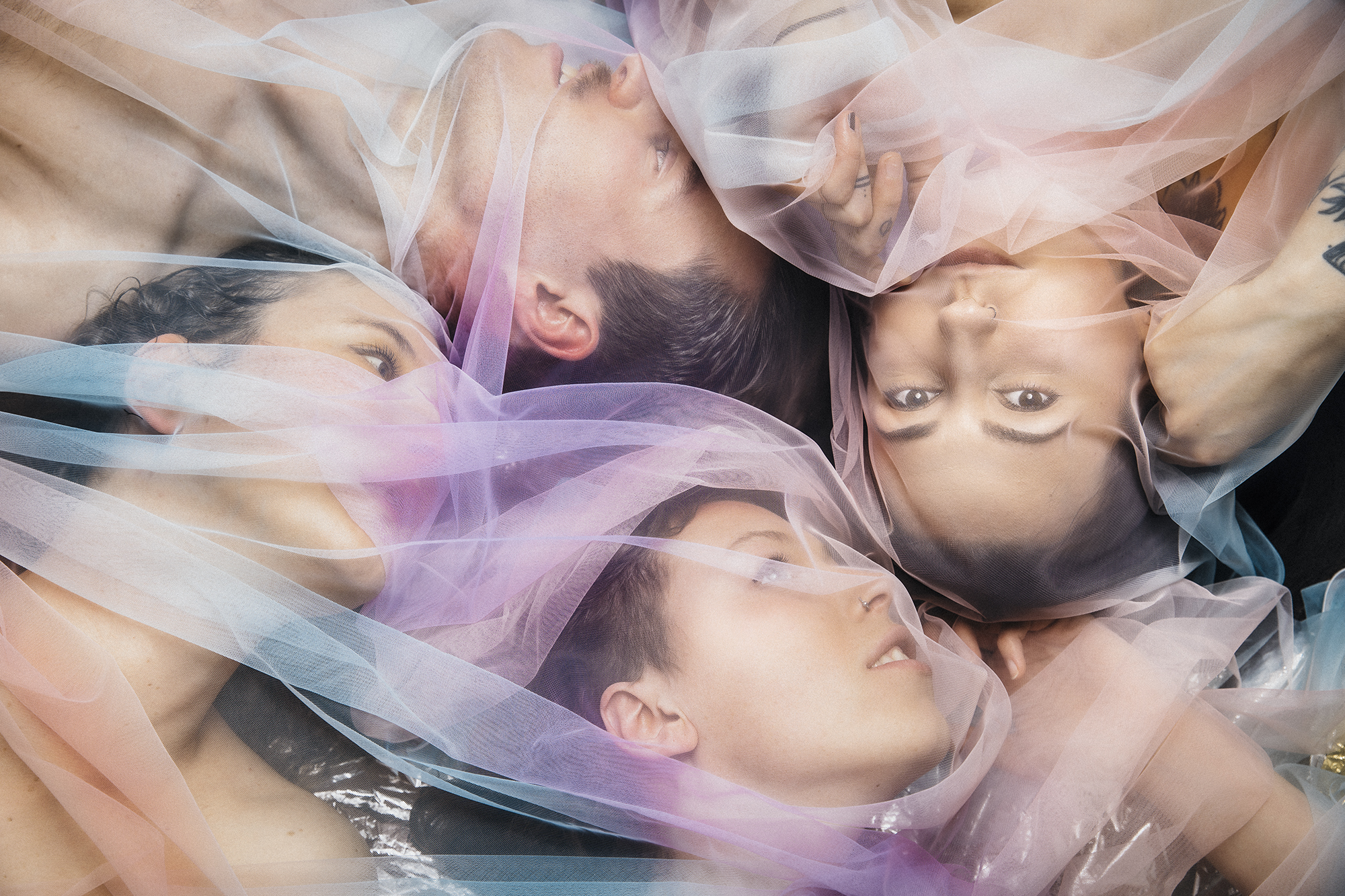
Auch bei der heutigen Videopremiere möchten wir die Chance nutzen, euch wieder absolute Newcomer-Musik vorzustellen. [LEAK] kommen aus Nürnberg, machen melancholischen Elektro-Pop und das schon eine kleine Weile. 2017 mit ihrer Debüt-EP Noise from the Void haben sie für November 2021 nun ihr Debütalbum Ghost im Gepäck. Die Singles dieses Jahr könnten euch schon in unseren new untold releases entgegengestolpert sein, die letzte vor dem Album werden wir euch hier vorstellen. Als ganz exklusive Videopremiere gibt es also jetzt die neue Single Screaming Underwater von [LEAK].
Dystopische Stimmungen aus 2021
Doch vorab eine kleine Reise durch die [LEAK] Diskografie, weil es lohnt sich. Spotify mit 200.000 Streams anführend ist Chuckle, die Debütsingle der Band aus 2017 und ein guter Startpunkt, um sich in der Musik der fünf zu verlieren. Wenn ihr danach in Queendom reinhört, werdet ihr den Sprung merken, die die Band in diesen paar Jahren gemacht hat. Queendom ist genauso empowerend wie der Titel vermuten lässt, geballte Riffs entladen den Song immer wieder, und auch das Video zum Song ist sehr kryptisch-mystisch-geil. Zuletzt erschienen ist Wall, der sich mit dynamischen Drums und dystopischen Synths immer weiter aufbaut, bis die Gitarre am Ende das ganze wieder seinen melancholischen Rahmen steckt.
So viel zur musikalischen Reise. Auch wenn es ein paar Jahre ruhig um die Band war, hat sich das Kollektiv wieder zusammengefunden und an ihrem Projekt in allen Bereichen geschliffen – vom Sound zum Visuellen baut alles eine dystopische Welt als Realität auf und macht [LEAK] damit zu einem wahnsinnig spannenden Projekt. Doch genug Kontext, hier geht’s endlich zum neuen Song, mit exklusiven Video auf Untoldency:
Sie sehen gerade einen Platzhalterinhalt von YouTube. Um auf den eigentlichen Inhalt zuzugreifen, klicken Sie auf die Schaltfläche unten. Bitte beachten Sie, dass dabei Daten an Drittanbieter weitergegeben werden.
Passend zu dieser Videopremiere ist auch, dass Screaming Underwater meine bisher Lieblingsauskopplung des Debütalbums ist. Ich hab offen zugegeben eine ganz große Schwäche für Songs, die sich melancholisch aufbauen und am Ende dann völlig explodieren. Und genau das macht Screaming Underwater. Mit Rauschen fängt es an, dumpfer Bass gesellt sich dazu und die Stimme der Sängerin leitet durch die erste Strophe:
“I try to drown
But the bubbles scream
Leave me in peace
Leave me at ease”
Percussions kommen dazu und eine wunderschöne Gitarre, die alles in einen schönen, melancholischen Rahmen setzt. Sie hört sich auch ein bisschen anals würde sie der Welt unter Wasser ihren ganz eigenen Soundtrack geben.
Und das passt auch zum Visuellen: Wasser ist ganz offensichtlich das Leitthema des Videos. In digitalen Kunstcollagen legt es sich übers Video und stiehlt sich schon direkt am Anfang in die Reflektion einer Scherbe. Kunstaffine Menschen werden das hier lieben. Voll mit Symmetrien und abstrakten Körperteilen, die ihr ganz eigenes Ding machen, werden dystopische, leerstehende Orte gezeigt, überflutet von den überliegenden Einspielungen von Wasser: „I’m tired of screaming underwater“ singen [LEAK] immer und immer wieder und ich kann’s praktisch fühlen.
Ab der Mitte des Songs treffen auf diese melancholischen Gitarren plötzlich aufbauende Drums und der Song entlädt sich auf ganzer Breite – spätestens ab hier sollte man euch auch abgeholt haben. Der Song bekommt seine Dynamik, und man spürt die verzweifelte Wut über den Zustand immer mehr. Ohne hier für euch zu viel reininterpretieren zu wollen, aber das Leben, vor allem in 2020, hat sich sehr verstärkt nach genau so was angefühlt – jedenfalls für mich. Schreie unter Wasser, die niemand hört, weil wie auch, wenn jede:r in ihrer eigenen Lockdown-Bubble lebt. Ob das genau das ist, was die Band mit dem Video aussagen wollte, kann ich sicher nicht ganz sagen, aber ist das nicht das Schöne an Kunst? Offen für Interpretationen, sowohl für eure als auch meine. Dystopisch wirkt Screaming Underwater aber allemal.
Vor eineinhalb Jahren bin ich über Schmyt gestolpert, als er mit Niemanddie Hellhörigen unter uns das erste Mal sehr, sehr aufmerksam werden lassen hat. Das war im April 2020. Ein Jahr später, im April 2021, veröffentlichte Schmyt seine Debüt-EP Gift, über die ich mich hier bereits sehr ausgelassen hab. Schmyt hat mit Gift dem Deutschrap seine emotionale Zugänglichkeit wiedergegeben und das auf so unfassbar gut produzierten Songs, dass er zu Recht schon ein halbes Jahr später einen Raktenstart direkt in die COLORS Sessions hingelegt hat. Ich wünschte, du wärst verloren ist die nächste Single im Repertoire des Berliner Newcomers. Hier lest ihr, warum ihr ihn unbedingt auf eurem Radar haben solltet.
Herzschmerz eingebrannt in Songs
Doch fangen wir kurz nochmal am Anfang an. Die Geschichte, die Schmyt mit Niemand zu erzöhlen begonnen hat, hat in der EP ihren Kontext bekommen. Wir finden Herzschmerz nach einer Trennung, eingebrannt in sechs Songs, vom besinnungslosen Saufen zu verloren Taxifahrten und den großen Existenzfragen. Das sind die Themen der Gift EP, die sich zu Teil auch im neuen Song Ich wünschte, du wärst verloren fortsetzen. Es ist wahrscheinlich immer noch dieselbe beendete Beziehung, die hier verarbeitet wird:
„Ich leg‘ dir mein Herz schön verpackt vor die Tür, yeah Sind ein paar Knitter dran, doch du weißt, die sind eh von dir Ich glaub‘, ich liebe dich und ich hasse es Ich sitze Zuhaus‘ und frag‘ mich, wo du heute pennst Mische Benzin in meine Coke und hoff‘, dass es brennt, hm„
Ich wünschte, du wärst verloren ist theatralischer Liebeskummer in einer Ballade, die mich zweifeln lässt, dass es wirklich erst eineinhalb Jahre seit Schmyts ersten Single sind. Und die dann noch mit einer COLORS Session im Gepäck zu präsentieren, sollte eigentlich mehr als nur für sich zu sprechen. Guckt euch das an und sagt mir, ihr fühlt’s nicht:
Sie sehen gerade einen Platzhalterinhalt von YouTube. Um auf den eigentlichen Inhalt zuzugreifen, klicken Sie auf die Schaltfläche unten. Bitte beachten Sie, dass dabei Daten an Drittanbieter weitergegeben werden.
Ngl, ich hab Gänsehaut. Was ist das für eine Stimme bitte? Während der Song sich ruhig aufbaut, malt Schmyt mit seinen Worten und seiner Stimme Bilder, die unter die Haut gehen. Die Stimme steht so zentriert im Raum, dass ich sicher nicht die einzige bin, die hier mit 2 Minuten Dauergänsehaut dieses Video schaut. Ist halt einfach auch COLORS, ist aber auch einfach ein absolut starker Song.
In den ersten Sekunden des Songs erinnert mich Schmyt zugegebenermaßen ein bisschen an Trettmann. Und auf eine Weise liegt dieser Vergleich gar nicht so fern. Doch anders als Trettmann, holt Schmyt auch noch all jene ab, die ab von RIN auch gern mal Faber und Henning May laut zuhause durch die Boxen singen lassen. Hier werden Welten verbunden, die manchmal viel ferner scheinen als sie es vielleicht sind. Auf Ich wünschte, du wärst verloren rappt Schmyt nicht mal.
Doch ob Deutschrap oder nicht: Was hier mit Sprache und Musik gemacht wird, hat ne fette Zukunft vor sich. Es dauert bestimmt nicht lange, bis ich das nächste Mal meine kleine Fan-Liebe ins Internet schreibe. Bis dahin lass ich das hier noch eine Weile auf Dauerloop laufen:
Sie sehen gerade einen Platzhalterinhalt von Spotify. Um auf den eigentlichen Inhalt zuzugreifen, klicken Sie auf den Button unten. Bitte beachten Sie, dass dabei Daten an Drittanbieter weitergegeben werden.
Kennt ihr schon Joy Bogat? Falls nicht, braucht es nicht mehr als diese Live Session um die Newcomerin aus Hannover auf euren Radar zu bringen. Jedenfalls war das bei uns der Fall. Das neue Signing der Listenrecords Family verzaubert mit Stimme, Melodie und Charisma. Wir dürfen uns deshalb sehr glücklich schätzen, euch hier die Live Session ihrer neusten Single „Sometimes“ zu präsentieren. Buckle up, das hier geht direkt ins Soul-Herz.
Ein Live-Set im Meer ist alles, was ich je wollte
Joy Bogat ist zwar kein unbeschriebenes Blatt, nimmt aber gerade all die wichtigen Schritte, um die Musikszene auf sich aufmerksam zu machen. Und zu Recht! Vor allem für all jene, die seit letztem Freitag das neue Joy Crookes Album feiern (den gleichen Vornamen könnte man als Zeichen deuten, muss man aber nicht), ist das eine direkte Empfehlung. Zwischen Soul, R’n’B und luftigem Pop macht sich Joy Bogat in meinen Playlisten gemütlich und ich freu mich jetzt schon, mich in ein paar Jahren darauf berufen zu können, wenn sie die ganzen Clubs des Landes durchspielt.
Doch nun zum Song und vor allem zum Video, denn das ist es ja, was wir hier präsentieren. Ohne weiteres Palaber, ist hier die Live Session von „Sometimes“:
Sie sehen gerade einen Platzhalterinhalt von YouTube. Um auf den eigentlichen Inhalt zuzugreifen, klicken Sie auf die Schaltfläche unten. Bitte beachten Sie, dass dabei Daten an Drittanbieter weitergegeben werden.
Mein erstes s/o geht hier tatsächlich an die Person hinter der Kamera. Selten war ich so gefesselt von der sich entfaltenden Ästhetik eines Videos – und das als One Shot! Das Video startet in einem wunderschönen blauen Himmel, und fängt dann langsam Joy selbst ein. Es vergeht knapp eine Minute bis sich zu dem Himmelbau das Blau vom Wasser gesellt und ich muss ganz ehrlich sagen, damit hab ich irgendwie nicht gerechnet. Es ist so simpel, aber meine 24/7 bestehende Sehnsucht nach dem Meer holt das total ab. Nach weiteren Sekunden wird klar, dass Joy und ihr Laptop nicht – wie ich dachte – auf einer kleinen Mini-Plattform stehen, sondern direkt im Wasser. Ich bekomm kleine FKJ Vibesund lieb’s. Joy Bogat, Leute, habt die auf eurem Zettel.
Der Wunsch, die Vergangenheit loszulassen
Sometimes ist die zweite Single ihrer im November erscheinenden EP It’s Different Now und als jemand, die da schon vorab mal reinhören durfte, kann ich euch sagen: Ist geil.
Die Strophen werden ziemlich lässig gerappt und in dem musikalischen Soulgeflecht des Songs gibt es dem ganzen nochmal einen anderen Twist. Und vom poetischen Level brauch ich ja gar nicht erst anfangen.
„Now reality’s knocking on your door
It’s been so long since you’ve had visitors
The cupboards are dusty, the flat speaks for itself
It has discovered how to swallow up every word you weep.
[…]
Sometimes it’s hard to let go
And it seems easy to hold on to your grudge
I know it’s hard to let go
But if you wanna meet me there, I’ll meet you there.”
Als Sternzeichen Stier weiß ich, wie schwer es ist, angestauten Frust auf jemanden loszulassen und nicht ewig nachtragend zu sein. In dem Fall von Sometimes geht es auf eine Art zwar auch genau darum, wenn auch im Kontext von zerrissenen Familien und Generationskonflikten, zu dem ich nicht ganz relaten kann. Das macht den Song jedoch nicht einen Hauch weniger gut, im Gegenteil. Die Sehnsucht nach Vergebung und die Verzweiflung über diesen so langanhaltenden Konflikt machen den Song so emotional und persönlich, dass sie vor allem in der Live Session sehr intim rüberkommen und überzeugen.
Wer sich unabhängig von der Live Session Sometimes auch auf den Streaming Diensten geben will, der:die klicke hier (ist nur Spotify, aber nutzt ihr was anderes?):
Sie sehen gerade einen Platzhalterinhalt von Spotify. Um auf den eigentlichen Inhalt zuzugreifen, klicken Sie auf den Button unten. Bitte beachten Sie, dass dabei Daten an Drittanbieter weitergegeben werden.
Im Mai hatten wir sie euch bereits mit ihrer Single Push And Pull vorgestellt, jetzt haben wir sie mit ihrem Debütalbum im Interview. Das Indie-Pop Trio Varley bringt Dublin und Berlin zusammen und machen Musik auf eine so ehrliche und befreite Art, dass sie definitiv auf eurem Newcomer:innen-Zettel stehen sollten. Wir haben mit ihnen über ihre Texte und Songs auf „Smalltalk & DMCs“ gesprochen und darüber, welche Acts sie auf einem fiktiven „Varley curated festival“ platzieren würde.
Varley im Interview
Anna: Hey! To get right into the topic and feelings: “Smalltalk & DMCs” is your debut album as a band, how does it feel having your work and music out in the world after working on it for so long?
Varley: It feels really good. We started working on the record a year and a half ago, so now having people listen to what we created feels really liberating. It can be a little bit daunting letting people peek inside your head. But all of the positive feedback that has come with releasing the album has made it all worthwhile.
Anna: Let’s talk about that title, what does it mean?
Varley: The album plays with a lot of contrast. We talk about a lot of uncomfortable topics such as loneliness and mental health but there are moments of defiance, strength and admiration for the people we look up to. We loved the line ‘finding a line between smalltalk & DMCs never fared well for me, I just shouldn’t speak’ from The Pressure and thought the contrast between smalltalk & DMCs summed up the album perfectly. DMCs means ‘Deep Meaningful Conversations’ by the way 🙂
Anna: And while we’re already at the basics of the album: What does the pin on the cover stand for?
Varley: It’s pretty much open to interpretation and you can take a lot of different things from it. For us it’s bursting the bubble, but not necessarily in a negative way. A lot of songs on the album are about finding peace with your inner demons, or letting go of baggage. So we felt the pin really fit this.
“There was something so magical about them.”
Anna: What song was the most fun making?
Varley: There were a lot of fun moments making the record but two days really stick out to us. One of them being when we wrote Disease. Matze had just recorded the guitar lick and put some drums under it and asked Claire-Ann to sing something over it to get a rough idea of where it could go. Claire-Ann jammed out the whole song in one take, lyrics and all. In the end we took those ‘demo’ vocals for the finished production because there is something so magical about them.
Another stand out moment was when Claire-Ann and Joschka wrote the bones of ‘Push Pull’ & ‘Feel It’ on the same day. Obviously it took way longer than that to finish them. Especially Feel It as we tried out a lot of things with it. So maybe that one was the most fun and the most work at the same time.
Sie sehen gerade einen Platzhalterinhalt von YouTube. Um auf den eigentlichen Inhalt zuzugreifen, klicken Sie auf die Schaltfläche unten. Bitte beachten Sie, dass dabei Daten an Drittanbieter weitergegeben werden.
Anna: Are you someone that feels comfortable in small talks or do you rather have deeper conversations with people?
Varley: We are all very different here and it really depends on who we are talking to. But in general we love a good dmc with our very close friends.
“We found it sad that something so special can just fade away.”
Anna: Referring to one of the songs on the record: If you would “go down where the wind blows”, where would that be?
Varley: That’s somewhat different for each of us. Without saying which one of us chose were, these were the places that came up:
relaxing either in the alp skiing or in the south of France doing nothing,
anywhere where the wifi signal is so bad that one can completely shut off,
somewhere on the coast in a nice cabin.
We talked about a trip to Ireland together, that might be nice, and a good possibility of wind blowing, too, hehe.
Anna: In “A Little Bit Funny” you talk about friendships that grow apart over time. How did you experience that? And what are the songs that remind you of that time?
Varley: We wrote the lyrics after a long chat about long lost friendships, which, at some point in life, we thought would last forever, and then years later you can’t even pinpoint the moment the relationship stopped. We found it so sad that something so special can just fade away. Although in saying that we are just grateful for the years that we had those friendships.
Anna: For your second single this year “Push And Pull” you shot a music video with a 70s aesthetic that I found really fitting to the story of the song. How did you come up with that and how was shooting the video?
Varley: That was actually so much fun! We worked together with Jen Krause and she told us about the Hotel that we filmed in. It actually has not changed since the 70s and everything there is original from that time. We thought it fit the vibe of the song really nice, the main character being stuck in the past, living with his parents trying to break free.
Sie sehen gerade einen Platzhalterinhalt von YouTube. Um auf den eigentlichen Inhalt zuzugreifen, klicken Sie auf die Schaltfläche unten. Bitte beachten Sie, dass dabei Daten an Drittanbieter weitergegeben werden.
Anna: This one is difficult: If you had to put together a line up for one festival night only, which artists would headline the „Varley curated Festival night“?
Varley: It changes so often depending on who we really love at the moment. But right now if we could pick three bands it would be Sophie Hunger, Alice Phoebe Lou and Alex Mayr.
Anna: Last question is always an untold story. You can now share any story you want that you haven’t shared in an interview before but always wanted to.
Varley: Back in 2018 we booked a house in Brandenburg to start writing for Varley . After spending the first 3 days on the couch watching Netflix we started to get a little bit freaked that we hadn’t written anything. So the boys gave Claire-Ann 20 minutes to write something before dinner was ready and in those 20 minutes our first single, Roamer, was written!
Hier könnt ihr in das Debütalbum Smalltalks & DMCs reinhören. Anspieltipps: Bubble Up, Disease, A Little Bit Funny:
Sie sehen gerade einen Platzhalterinhalt von Spotify. Um auf den eigentlichen Inhalt zuzugreifen, klicken Sie auf den Button unten. Bitte beachten Sie, dass dabei Daten an Drittanbieter weitergegeben werden.
Sie sehen gerade einen Platzhalterinhalt von Vimeo. Um auf den eigentlichen Inhalt zuzugreifen, klicken Sie auf die Schaltfläche unten. Bitte beachten Sie, dass dabei Daten an Drittanbieter weitergegeben werden.
Sie sehen gerade einen Platzhalterinhalt von YouTube. Um auf den eigentlichen Inhalt zuzugreifen, klicken Sie auf die Schaltfläche unten. Bitte beachten Sie, dass dabei Daten an Drittanbieter weitergegeben werden.
Sie sehen gerade einen Platzhalterinhalt von Vimeo. Um auf den eigentlichen Inhalt zuzugreifen, klicken Sie auf die Schaltfläche unten. Bitte beachten Sie, dass dabei Daten an Drittanbieter weitergegeben werden.
Sie sehen gerade einen Platzhalterinhalt von YouTube. Um auf den eigentlichen Inhalt zuzugreifen, klicken Sie auf die Schaltfläche unten. Bitte beachten Sie, dass dabei Daten an Drittanbieter weitergegeben werden.
Sie sehen gerade einen Platzhalterinhalt von Bunny Stream. Um auf den eigentlichen Inhalt zuzugreifen, klicken Sie auf die Schaltfläche unten. Bitte beachten Sie, dass dabei Daten an Drittanbieter weitergegeben werden.
Sie sehen gerade einen Platzhalterinhalt von Wistia. Um auf den eigentlichen Inhalt zuzugreifen, klicken Sie auf die Schaltfläche unten. Bitte beachten Sie, dass dabei Daten an Drittanbieter weitergegeben werden.
Sie sehen gerade einen Platzhalterinhalt von Facebook. Um auf den eigentlichen Inhalt zuzugreifen, klicken Sie auf die Schaltfläche unten. Bitte beachten Sie, dass dabei Daten an Drittanbieter weitergegeben werden.
Sie sehen gerade einen Platzhalterinhalt von Instagram. Um auf den eigentlichen Inhalt zuzugreifen, klicken Sie auf die Schaltfläche unten. Bitte beachten Sie, dass dabei Daten an Drittanbieter weitergegeben werden.
Sie sehen gerade einen Platzhalterinhalt von Instagram. Um auf den eigentlichen Inhalt zuzugreifen, klicken Sie auf die Schaltfläche unten. Bitte beachten Sie, dass dabei Daten an Drittanbieter weitergegeben werden.
Sie sehen gerade einen Platzhalterinhalt von Google Maps. Um auf den eigentlichen Inhalt zuzugreifen, klicken Sie auf die Schaltfläche unten. Bitte beachten Sie, dass dabei Daten an Drittanbieter weitergegeben werden.
Sie sehen gerade einen Platzhalterinhalt von reCAPTCHA. Um auf den eigentlichen Inhalt zuzugreifen, klicken Sie auf die Schaltfläche unten. Bitte beachten Sie, dass dabei Daten an Drittanbieter weitergegeben werden.
Sie sehen gerade einen Platzhalterinhalt von X. Um auf den eigentlichen Inhalt zuzugreifen, klicken Sie auf die Schaltfläche unten. Bitte beachten Sie, dass dabei Daten an Drittanbieter weitergegeben werden.


 What the first album was written with was just this very minimal set up. And then I kind of stuck like that. As time went on I got more room and whatever, and we started exploring more sounds and things, but I didn’t use it. I just didn’t bother. But I also quite like the fact that it gives you more discipline. Like you’re forced to do other things, which I think is a good thing to do with any kind of creative pursuit. If you create a set of restrictions, you’re forced to go down a path that you would might not choose. Traditionally, drummers use the hi-hat and the ride cymbal and then you’re probably going to sound like everyone else.


![Exklusive Videopremiere: [LEAK] und „Screaming Underwater”](https://untoldency.de/wp-content/uploads/2021/10/LEAK_quer_sw_Alexander-Hill-scaled.jpg)