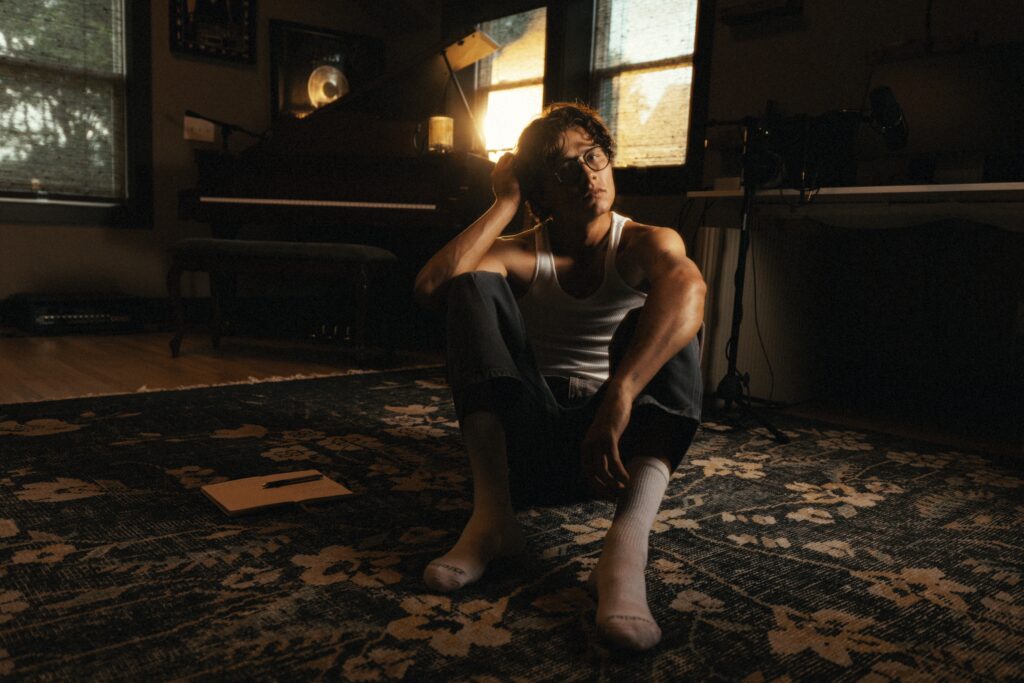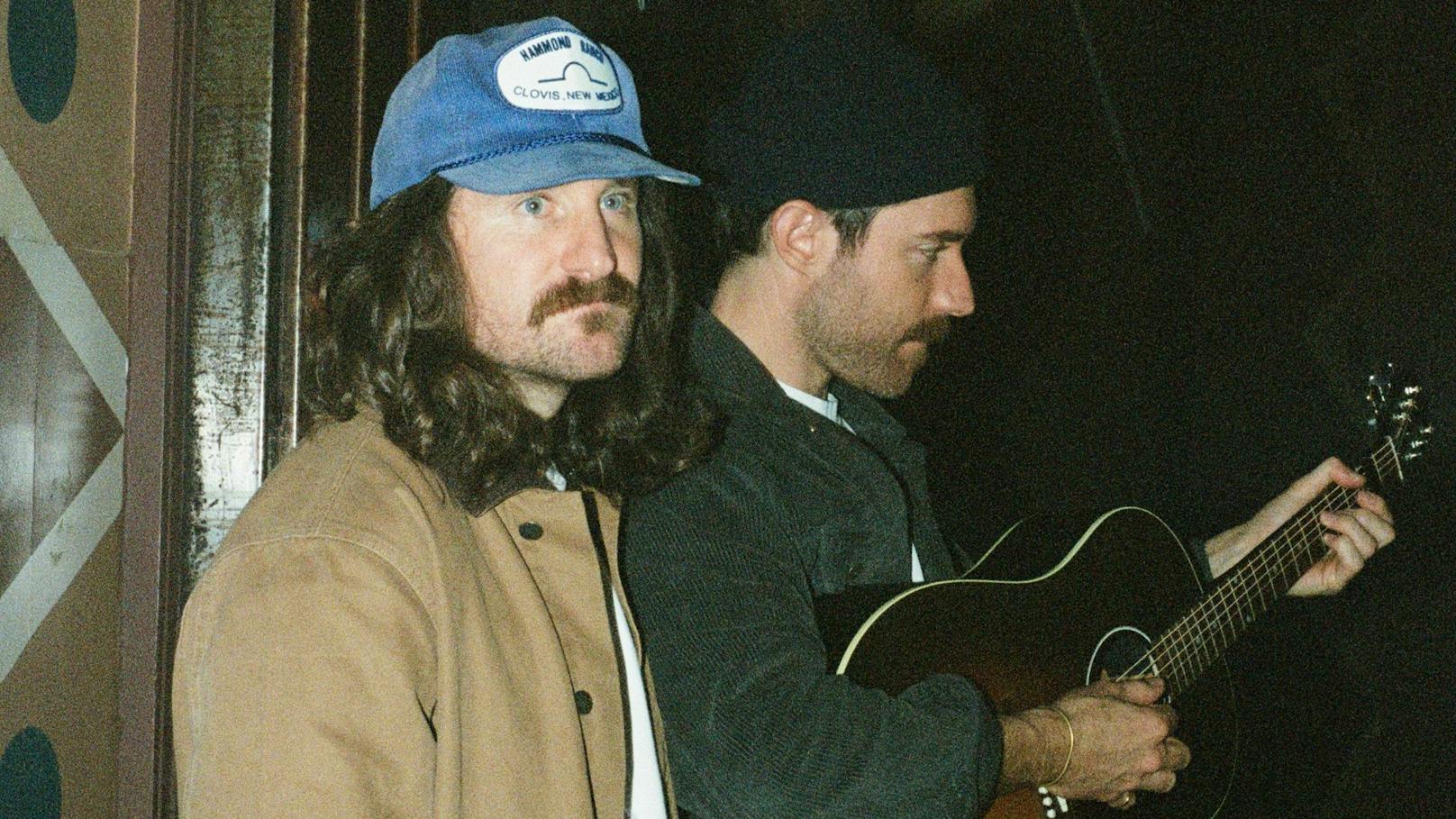
Zwei Brüder, eine Leidenschaft. Das sind Amistat. Beim diesjährigen Reeperbahn Festival standen Josef und Jan Prasil gleich zweimal auf der Bühne und hatten ihre neue EP im Gepäck. Zwischen den Shows haben wir die Folk-Zwillinge auf einen (sehr heißen) Kaffee in den Straßen Hamburgs zum Gespräch getroffen.
Wir haben mit ihnen über everything in between, Songwriting und besondere Herausforderungen im Leben gesprochen. Warum sich Songs wie gute Freunde anfühlen, welche Träume sie noch verwirklichen wollen und was 2026 noch für Amistat bereithalten könnte, erfahrt ihr hier.
Amistat im Interview
Ende des Jahres steht noch eine Tour für euch vor der Tür – wie fühlt es sich an, jetzt zum Ende des Jahres nochmal mit dieser Musik auf die Bühne zu gehen? Gibt es etwas, worauf ihr euch besonders freut?
Josef: Wir haben lange hingearbeitet auf die Tour jetzt. Wir haben dieses Jahr eine Pause gehabt vom Touren bzw., wir haben nicht so viele Konzerte gespielt, weil wir unser Album geschrieben haben. Und das nehmen wir tatsächlich jetzt zehn Tage in Stockholm auf ab dem Wochenende. Daher ist diese EP und diese Tour schon irgendwie bei uns so – ja, da liegen schon so viele Projekte dahinter, dass man sich immer wieder erinnern muss: „Ach, da kommt ja dieses Jahr noch was“. Aber ich freu mich sehr, nur jetzt gerade ist’s eben das Album und dann sobald das aufgenommen ist, kommt die Vorfreude auf die Tour, die jetzt ansteht. Es gibt jetzt nicht eine Show, wo ich sag, da freu ich mich besonders viel drauf. Vielleicht München oder auch Amsterdam ist immer schön. Aber generell einfach auf die ganze Tour und wieder on the road zu sein, weil wir jetzt lange wie gesagt keine Headline Shows hatten, nur Festivals.
Jan, geht’s dir ähnlich?
Jan: Ja. Ich freu mich sehr aufs Touren. Wir werden ja fast viereinhalb Wochen im Tourbus unterwegs sein. Das erste Mal, dass wir so lange unterwegs sind. Und wir haben eine ganz tolle Crew dabei, also das wird auch nochmal wie so eine Klassenfahrt am Ende des Jahres. Ich freu mich sehr tatsächlich, ja.
Das freut mich, dass ihr euch so freut!
Josef: Wo sehen wir dich denn by the way? Kommst du?
Ich hoffe, ich schaff’s nach Leipzig!
Josef: Okay, cool!
Jan: Ja, schön!
Apropos Tour. Ihr steht ja manchmal zu zweit und manchmal zu dritt auf der Bühne.
Josef: Heute sogar zu viert.
Heute zu viert?
Beide: Ja!
Josef: Seit diesem Jahr spielen wir sogar zu viert.
Ja, dann würd ich euch direkt fragen, wie sich eure Dynamik verändert, je nachdem, wie viele ihr auf der Bühne seid. Merkt ihr da einen krassen Unterschied?
Josef: Oh ja.
Jan: Ich glaub, die Dynamik hängt sehr davon ab, wer auf der Bühne ist.
Josef: Ja, absolut.
Jan: Aber immer alles sehr positiv anders. Ich mag’s mit dem Josef allein zu sein, dann ist es sehr intim. Dann haben wir unseren besten Freund, den Dimitri, seit 12 Jahren dabei und der bringt einfach ganz viel Energie auf die Bühne. Und jetzt haben wir noch einen Schlagzeuger, den Jojo. Mal was ganz Neues. Und jetzt muss ich nicht mehr so viel machen mit meinen Füßen und kann mich sogar noch mehr auf die Songs konzentrieren. Also, man hat mehr Energie für sich selbst.
Josef: Man hat mehr Zeit und Energie und man kann ein bisschen atmen und muss nicht die ganze Zeit präsent sein und Energie geben.
Jan: Ja, das ist gut.
Eure neue EP everything in between erscheint morgen. Was hat es mit dem Titel auf sich? Es gibt ja dieses Mal gar keinen Song auf der EP, der so heißt.
Jan: Genau. Gut recherchiert. Dieses everything in between ist eigentlich alles, was so im Leben passiert außerhalb der Musik für uns. Weil wir zeigen immer nur die Musik und unser Leben in der Musik. Aber es passiert ganz, ganz viel hinter den Kulissen und es ist einfach das, was uns eigentlich shaped als Musiker und Menschen. Was viele nicht zu Gesicht kriegen. Deshalb glaub ich, war uns wichtig, dass diese EP so ein bisschen die Stories erzählt, die man nicht nach außen trägt.
Und der letzte unveröffentlichte Song auf der EP ist ja „seven days a week”, der sich mit dem schweren Unfall eures Vaters und der Zeit beschäftigt, die ihr damals im Krankenhaus verbracht habt. Und das ist ja schon eine krasse Geschichte. Wie ist es, so alte Gefühle und Erinnerungen beim Schreiben oder Aufnehmen eines Songs wieder hervorzuholen? Fühlt es sich eher schwer an – oder kann es auch helfen, diese Zeit noch einmal aus einer anderen Perspektive zu betrachten?
Mitten in der Frage kommt plötzlich eine Mitarbeiterin vom Kaffeewagen rüber. Sie hat die beiden erkannt und erzählt ihnen, dass sie sie schon im vergangenen Jahr in Hamburg sehen wollte. „Ich liebe euch, deswegen kriegt ihr Kaffee“, sagt sie und möchte den beiden etwas ausgeben. Jan und Josef freuen sich sichtlich über die spontane Begegnung.
Jan: Das ist ja süß.
Josef: Ist das cute.
Wie herzig! Dann mit Kaffee zurück zur Frage.
Jan: Ich glaube, unsere Musik lebt genau von sowas. Und natürlich kommt jedes Mal wieder die Emotion hoch, was auch gut ist, glaub ich. Weil nur so können wir auch das Lied so rüberbringen, wie es auch rüberkommen soll und mir hilft es sehr, das zu verarbeiten, was passiert ist in der Vergangenheit durch die Musik. Also ich bin sehr dankbar. Das ist mein Weg, nicht darüber zu reden, aber darüber zu singen, und trotzdem ist es ein Prozess der Heilung für mich. Ich glaub, das geht dem Josef wahrscheinlich ähnlich.
Die liebe Mitarbeiterin bringt Kaffee und Kekse.
Beide: Danke dir. Ist das süß.
Josef: Guck, das sind so Momente, wo man einfach wirklich so – wie sagt man – humble wird. Wenn wer kommt und sagt: „Hey, danke euch, dass ihr das macht“. Und das sind so Momente, die feier ich so. Wenn Leute diese Liebe zurückgeben, einfach wegen der Musik.
Jan: Wir kriegen so viel Liebe von den Fans, das ist Wahnsinn.
Josef: Ja.
Aber ihr bringt ihnen ja auch ganz viel Liebe.
Jan: Hoffentlich.
Ist ja auch ein Geben und Nehmen.
Jan: Hoffentlich, ja.
Josef: Man, haben wir irgendwie ne Vinyl da oder irgendwas, dass wir ihr was zurückgeben können? Müssen wir mal überlegen. Irgendwas müssen wir zurückgeben.
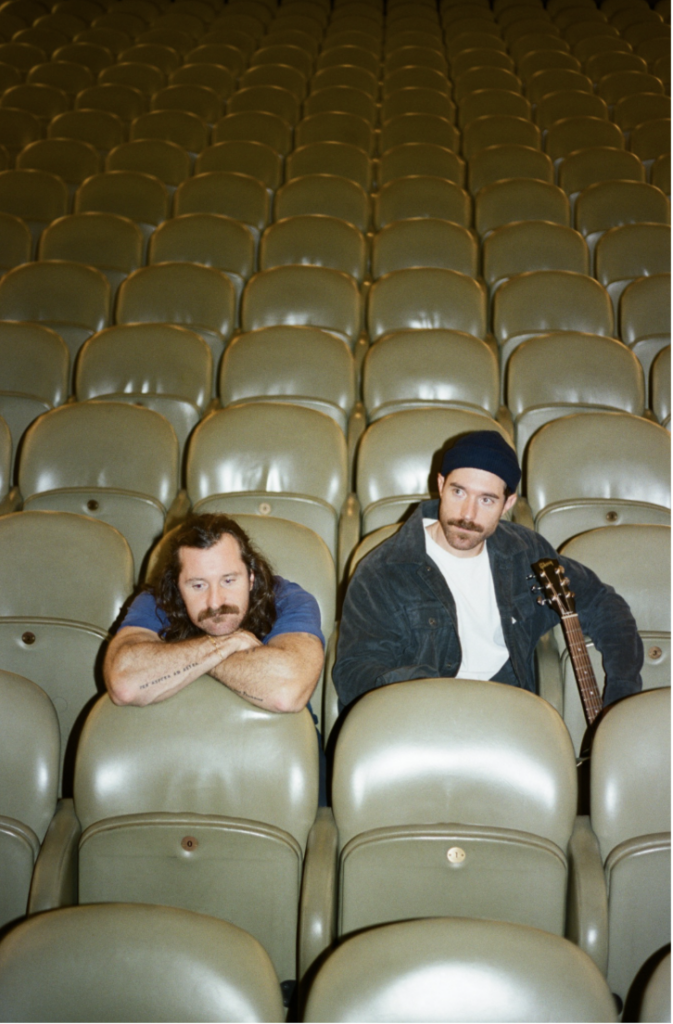
J + J = A
Wie läuft euer Schreibprozess ab? Schreibt ihr viel gemeinsam oder entstehen die meisten Ideen erst einmal unabhängig voneinander? Und wie entscheidet ihr dann, wann aus einer Idee ein Amistat-Song wird?
Jan: Ich würde sagen, ich zünde immer die Sparks. Ich bin, glaub ich, jemand, der sehr viel überlegt die ganze Zeit und sehr gerne auch komponiert.
Josef: Kreativ bist du schon sehr gifted.
Jan: Also ich bring dann immer die Ideen zum Josef und wir machen das dann zusammen fertig. Aber ich glaube, es entsteht ganz viel hier und da und es ist auch eine gute Balance. Und Josef schaut es sich von außen dann an und kann es ganz neutral betrachten. Aber normalerweise geht’s los mit entweder der Melodie oder den Lyrics. Dann tu ich das mal kurz zusammen passen schon und dann bringen wir das zusammen nach Hause.
Und merkst du, wenn Josef von einer musikalischen Idee nicht überzeugt ist – auch wenn er es gar nicht ausspricht?
Jan: Ja, ja total. Ja, wir sind da total ehrlich. Also, er sagt dann schon: „Ja, das ist nicht gut genug oder das muss noch besser”.
Josef: Ich glaub, die meiste Arbeit fließt in Lyrics. Melodie-mäßig kommen wir eigentlich schon relativ schnell auf einen gemeinsamen Nenner. Aber Lyrics ist next level.
Wie habt ihr euren Sound gefunden? Gab es irgendwann diesen Moment, in dem ihr gemerkt habt: „Das ist jetzt wirklich Amistat. Das sind wir.“?
Josef: Ich glaub, das hat sich über die letzten paar Jahre einfach so kristallisiert. Man probiert ja unterschiedliche Sachen und irgendwann merkt man: „Ah, oke. Das fühlt sich gut an“. Und irgendwie findet man den dann so randomly. Da gibt’s kein „so und so wollen wir klingen“, sondern das passiert dann irgendwie einfach.
Jan: Das ist ein Prozess, glaub ich, über die Jahre.
Und sind die Songs für euch wirklich immer 100% Amistat-Songs oder gibt es auch welche, bei denen ihr vom Gefühl her sagt: „Das ist definitiv eher ein Jan-Song“ oder „Das ist eher ein Josef-Song“?
Josef: Ich meine, ein Amistat-Song ist ja Josef und Jan, aber wir schreiben manchmal schon Songs, die wir dann nicht veröffentlichen. Wo wir sagen: „Ja vielleicht ist das kein Amistat-Song, aber ein guter Song, nur irgendwie nicht unsere Richtung.“ Vielleicht zu vocal oder zu poppig und dann liegt der in der Writer‘s Bank irgendwo geparkt erstmal. Vielleicht kommt dann irgendwie der Song mal anders oder die Idee so ein bisschen und dann arbeitet man wieder dran.
Jan: Die Songs, die wir releasen, sind auf jeden Fall immer Amsitat-Songs, sag ich mal. Obwohl jetzt am neuen Album, was jetzt aufgenommen wird, sind ein paar Songs, wo wir beide sagen: „Ah, das würden wir normalerweise nicht machen“. Aber wir probieren‘s.
Josef: Stimmt. Ja. Wir wollen ein bisschen ’ne andere Schiene eingehen.
Cool. Ich freu mich! Was bringt denn jeder von euch in Amistat ein, das der andere nicht ersetzen könnte?
Jan: Ich glaube, ich bring das Kreative, aber dafür, dass ich sehr verkopft bin, ist es Josef, der sehr neutral ist. Also, Josef bringt so eine Unverkopftheit rein (lacht). Ich weiß nicht genau, wie man es sonst sagen würde, aber Josef kann sehr gut sagen: „So machen wir’s und so nicht. Das ist gut, das ist schlecht“. Ich bin immer so: „Das alles ist gut und schlecht. I don’t know anymore“. Und er pointed dann und sagt: „Nein, Jan.“ Also ich glaub, er bringt mehr Klarheit rein.
Josef: Ja, ich sag dann: „So und das machen wir jetzt und dann gehen wir“.
Und was ist das Beste daran, den eigenen Bruder als Bandkollegen zu haben – und was ist manchmal das Nervigste?
Josef: Das Beste ist – ja, das kann man nicht beschreiben, wenn man mit Familie Musik macht. Musik ist etwas so Intimes und das dann mit Familie zu teilen, ist schon sehr besonders.
Jan: Ich glaub, das Beste ist, dass man seinen besten Freund dabei hat die ganze Zeit.
Josef: Ach, bin ich dein bester Freund? Du bist auch irgendwo meiner.
Jan: Das Schlechte ist aber auch, dass du praktisch ein bisschen deinen besten Freund dadurch verlierst, weil er zum Businesspartner wird und sich viel nur noch um Business dreht und nicht mehr um die Brüder, die wir mal waren.
Also fällt euch das schwer so eine Grenze zwischen Arbeit und Familie zu ziehen?
Jan: Extrem.
Josef: Sehr schwer, ja.
Ihr sprecht auf der Bühne Englisch und auch eure Songs sind auf Englisch. Sprecht ihr privat eigentlich auch Englisch miteinander?
Jan: Ja.
Josef: Ja, nur Englisch.
Und habt ihr das Gefühl, dass ihr euch auf Englisch ein bisschen anders verhaltet oder ausdrückt als auf Deutsch? Also, dass sich eure Persönlichkeit je nach Sprache ein Stück weit verändert?
Josef: Ja, absolut, absolut. Vor allem mit anderen Leuten, aber auch, wenn wir zusammen Deutsch reden, ist es irgendwie komisch. So dumm wie es klingt. Weil wir ja lange auch nur Deutsch geredet haben. Aber Englisch hat sich irgendwie seit zehn Jahren eingebürgert. Seit wir so lange in Australien waren. Und das ist jetzt so geblieben.
Jan: Ich glaube, die deutsche Version ist so ein bisschen die verkrampftere Version von uns und die englische ist die etwas lustigere, entspanntere, würde ich sagen.
Fühlt ihr euch beim Live-Spielen eurer Songs anders als im Studio? Habt ihr schon mal einen Song durch die Live-Auftritte ganz neu für euch entdeckt oder plötzlich anders empfunden?
Jan: Ja, auf jeden Fall. Ich glaub, wenn du einen Song Jahre lang spielst, kriegt er einen ganze anderen Spin und im Studio nimmst du es halt so auf, wie du es geschrieben hast, aber dann über die Jahre lernst du ihn so richtig kennen.
Josef: Man lernt ihn so kennen, genau. Es ist wie ein guter Freund, den man immer wieder trifft und immer besser kennenlernt.
Jan: Erstmal sollte man ein Lied ein paar Jahr spielen, bevor man es aufnimmt, aber das kann man meistens nicht machen.
Josef: Ja, das ist ein Luxus, den hat man nicht.
Ihr macht jetzt schon ziemlich lange gemeinsam Musik. Wie fühlt sich Musikmachen heute im Vergleich zu damals an?
Josef: Ich glaub, man ist irgendwie mehr angekommen. Früher war man noch sehr viel ‘da draußen’. Jetzt ist man irgendwie mehr bei sich.
Jan: Man lernt und man chased ganz viel und jetzt irgendwann hat man seine Erfahrungen und merkt auch, wie es ist, wenn man so ein bisschen seine Träume oder Ziele erreicht, die man sich gesetzt hat. Ich glaube, die Perspektive ändert sich einfach ein bisschen. Also man wird ein bisschen entspannter und alles beruhigt sich etwas. Aber auf ne gute Art und Weise.
Gibt es denn noch einen Traum, den ihr mit Amistat unbedingt verwirklichen möchtet? Etwas, bei dem ihr sagt: „Das müssen wir irgendwann noch machen“?
Jan: Ich glaube, wir haben unterschiedliche. Für mich wäre es, mit Mumford & Sons zu Touren oder einen Song aufzunehmen oder einen Song live zu spielen. Das wäre eines meiner ganz großen Ziele mit Amistat.
Josef: Es gibt ’ne Menge Ziele noch, oder Träume, würde ich sagen. Ich hab mir damals vor zehn Jahren den Grammy eingebildet und jetzt ist er mir eigentlich nicht mehr so wichtig, aber den werd ich noch haben. Einfach, um das Unmögliche machbar zu machen. Jetzt ist es schon näher dran als es früher war. Früher war’s noch viel weiter weg, aber das will ich noch erreichen, irgendwie. Einfach nicht, weil’s ums Ego geht oder so, aber das wär irgendwie cool, mir selbst zu beweisen: „Hey man kann wirklich alles im Leben schaffen. „
Das find ich richtig super! Habt ihr als Band irgendein Ritual oder eine Tradition vor dem Auftritt oder im Studio?
Josef: Ja, vor dem Auftritt haben wir immer so ein Irish Poem.
Jan: Das ganze Team kommt zusammen, wir umarmen uns und dann sagen wir ein Gedicht auf.
Beide: There are good ships, there are wood ships, there are ships that sail the sea. But the best ships are the friendships and may they always be.
Süß! Dann hab ich auch schon meine zwei letzten Fragen für euch. Auf eurem Instagram ist ziemlich viel Schwarz-Weiß – gibt es dafür einen bestimmten Grund oder findet ihr die Welt einfach in Schwarz-Weiß einfach schöner?
Jan: Ich glaub, auf Instagram wird ganz viel poliert, es wird alles schön gemacht und für mich ist das Schwarz-Weiß ein Zeichen für: „Es muss gar nicht die ganze Zeit shiny sein“. Es geht um die Musik und um nichts anderes. Also, wir wollen es gar nichts optisch verschönern, sondern sagen: „Hey, es ist ganz simpel.” Aber in der Welt – nichts ist Schwarz-Weiß, für mich ist gar nichts ist Schwarz-Weiß, sondern es ist immer alles in between. Aber das Schwarz-Weiß war eher so für: „Hey, fokussiert euch eher auf die Musik und nicht auf was ihr seht unbedingt.“
Und zum Schluss noch unsere traditionelle Untoldency-Frage: Was ist etwas „Untold“ über euch? Ein Fun Fact, eine Geschichte, Erinnerung oder irgendetwas, das man über Amistat oder über euch vielleicht noch nicht weiß?
Josef: Oh, da gibt’s ne Menge, ich überleg mal was.
Jan: Ich fang mal an. Es ist jetzt keine wahnsinnige Überraschung, aber ich hab extrem Angst vor großen Hunden, tatsächlich. Also wirklich so krass, dass ich die Seite der Straße wechsle, wenn einer auf mich zukommt. Etwas, was ich auf jeden Fall noch konfrontieren möchte in Zukunft.
Aber kleine Hunde?
Jan: Es geht. Ich würde sagen alles so, ja, Dackel, Chihuahua, alles cool. Aber so bald es in die Richtung Labradoodble- oder Australian Shepheard-Größe geht, dann wirds bei mir kritisch.
Ist ja eigentlich gar nicht so Fun, aber ist trotzdem ein guter Fact!
Jan: Und ich weiß, es geht nicht um Leben und Tod oder so, aber ich hab einfach extrem Angst.
Ist auch komplett nachvollziehbar.
Josef: Mh, ich überleg gerade noch. Ein Fun Fact…
Jan: Ich sag’s einfach. Josef kann ganz schlecht schwimmen. Ich glaube, Josef würde keine zehn Minuten im Wasser überleben. Ist einfach so.
Josef: Ja, ich bin ein sehr schlechter Schwimmer.
Jan: Josef kriegt Panik, schwimmt dann ganz schnell wie so ein Hund, der ins Wasser geschmissen wurde, aber würde dann auch genau so schnell untergehen (lacht). Ja, also Josef nicht allein schwimmen lassen!
Gut zu wissen! Ja, dann war’s das auch von mir.
Jan: Ja, danke dir!
Danke euch und danke für eure Zeit!
Beide: Na klar.
Amistat gehen Ende des Jahres auf Tour und ihr könnt sie in folgenden Städten live erleben: Leipzig, Stuttgart, Köln, Münster, München.
Hier könnt ihr die neue EP „everything in between“ von Amistat hören:
Fotos: Anja Kaufmann